Embarking on the Trail of the Cedars: Your Gateway to Avalanche Lake
Nestled deep within the breathtaking landscapes of Glacier National Park, the hike to Avalanche Lake in Glacier National Park offers a quintessential experience for visitors of all ages and abilities. This popular trail, renowned for its stunning scenery, accessible starting point, and the dramatic beauty of its namesake lake, is a must-do for anyone exploring the park's western side. While considered an easy trek, especially by Glacier's standards, it promises a journey through ancient forests, along a roaring gorge, and culminates in panoramic mountain vistas.
Your adventure to Avalanche Lake begins at the Trail of the Cedars Trailhead, conveniently located just 5.5 miles east of the historic Lake McDonald Lodge along the iconic Going-to-the-Sun Road. The initial segment of this hike is a marvel in itself: the Trail of the Cedars. This unique loop trail is not only captivating but also wheelchair-accessible, making it inclusive for a wider range of outdoor enthusiasts. While both segments of the loop offer beauty, we highly recommend taking the eastern side. Here, you'll traverse a beautifully constructed raised boardwalk, winding through an ethereal forest unlike any other you might encounter in the Rockies.
This valley, part of the Lake McDonald region, marks the extreme eastern boundary of the Pacific Northwest's maritime climate. The resulting humidity creates a verdant haven where ancient western hemlocks and red cedars thrive, reaching colossal heights of 100 feet and diameters of 4 to 7 feet. Some of these living giants have stood for over 500 years, silently witnessing centuries of change. As you stroll along the boardwalk, take a moment to absorb the rich tapestry of life beneath your feet – lush ferns and vibrant mosses carpet the forest floor, painting a picture of an ecosystem more commonly found along the Pacific Coast. This immersive experience, a gentle introduction to the grandeur of Glacier, encourages you to slow down and truly connect with nature.
From Ancient Cedars to Rushing Waters: The Path Unfolds
Approximately half a mile from the trailhead, the boardwalk culminates at a sturdy footbridge spanning Avalanche Creek. This vantage point offers your first commanding view of the lower Avalanche Gorge, a true highlight of the early trail. Here, the sheer power of glacially melted water has carved an impressive chasm, with turquoise waters churning through narrow rock formations. Just beyond this magnificent sight, you'll reach the crucial Avalanche Lake Trail junction. Turn left here to continue your journey towards the lake, leaving the Trail of the Cedars loop behind.
Immediately after the junction, the trail presents a short but noticeable climb. Don't be deterred; this gentle ascent is fleeting and quickly rewards you with new perspectives. To your right, you'll observe an incredibly dense forest, a testament to the valley's fertile conditions. Within less than a tenth of a mile, you'll find yourself on the banks of Avalanche Creek once more, but this time, you're up close and personal. The sound of rushing water fills the air as you witness the raw, untamed energy of the creek cascading through the gorge.
The trail continues to follow Avalanche Creek loosely for much of the remainder of the hike. While you may not always have a direct line of sight to the stream after about 1.1 miles, the persistent, soothing rush of cascading water will be your constant companion, guiding your way. This auditory backdrop creates a serene yet invigorating atmosphere, a natural symphony accompanying your steps deeper into the wilderness. To learn more about this incredible natural feature and the scenic waterfalls you'll encounter, check out our guide: Hike Avalanche Lake: Guide to Glacier's Scenic Trail & Waterfalls.
Reaching the Jewel: Avalanche Lake and its Grand Surroundings
As you approach the confluence of Hidden Creek and Avalanche Creek, roughly 1.6 miles from the Going-to-the-Sun Road, you'll notice a remarkable sight: hundreds of downed trees. These are not merely fallen logs but rather the dramatic evidence of recent avalanches that have thundered down the southern slopes of 7,886-foot Mt. Cannon. This stark reminder of nature's formidable power provides context for the lake's evocative name and underscores the dynamic forces shaping this landscape.
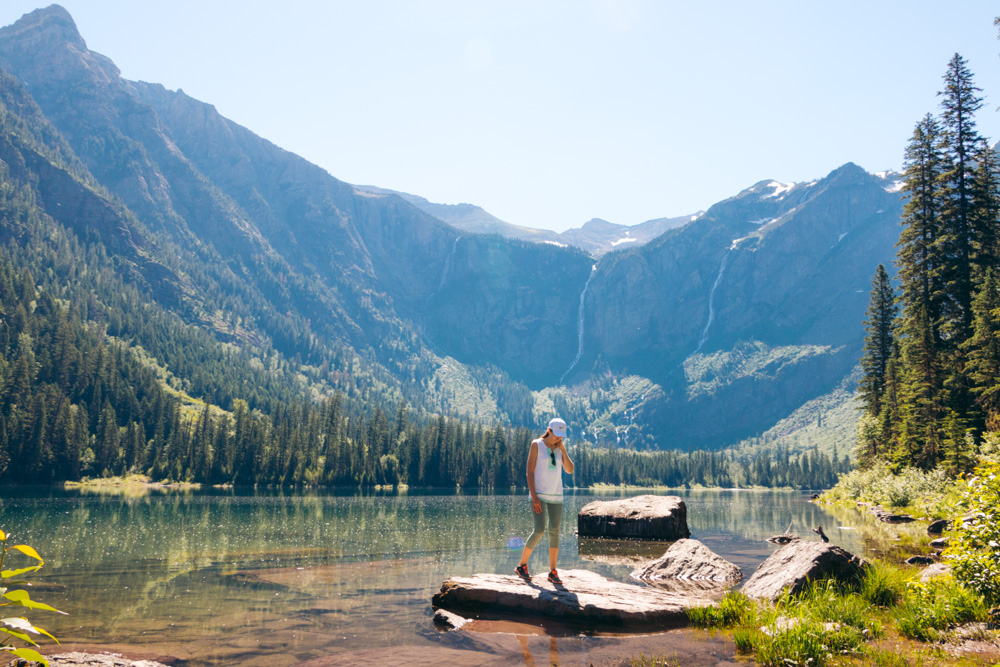
Finally, at the 2.3-mile mark, the trail opens up, and you'll reach the foot of the magnificent Avalanche Lake itself. The sight is nothing short of breathtaking. A short distance further, a spacious beach area invites you to spread out, relax, and soak in the magnificent scenery. You'll often find makeshift benches crafted from fallen logs, perfect for a restful pause. The clear, cold waters of the lake reflect the towering peaks that cradle it, creating a mirror image of unparalleled beauty. Many visitors choose to dip their toes in the chilly water, enjoy a picnic, or simply sit in awe of the surroundings.
The views surrounding Avalanche Lake are dominated by two spectacular mountains. To the northeast, the majestic 8,694-foot Bearhat Mountain rises almost 4,800 feet directly above the lake, its rugged profile a dramatic backdrop. Towards the south, the aptly named 7,886-foot Little Matterhorn adds another layer of grandeur to the panorama. If you observe the cliffs and mountainsides closely, especially during late spring or early summer, you'll likely spot several long, slender waterfalls plunging hundreds of feet, feeding the pristine waters of Avalanche Lake. These seasonal cascades add to the magical ambiance, shimmering as they make their way towards the shore. For a deeper dive into the natural wonders surrounding this hike, including the ancient cedars and mountain views, explore: Avalanche Lake: Ancient Cedars, Rushing Gorge & Mountain Views.
Navigating the Crowds & Witnessing Real Avalanches
Given its relatively easy accessibility and astounding beauty, the hike to Avalanche Lake in Glacier National Park is understandably one of the most popular trails in the park. This means that during the peak summer months (July and August), it can get incredibly crowded. Parking at the Trail of the Cedars Trailhead fills up very early, often before 8:00 AM, and the trail itself can feel like a steady stream of hikers. If you're hoping for a more tranquil experience, consider starting your hike at dawn or opting for a visit in the shoulder seasons (late May/early June or late September/early October), when the weather is still pleasant but the crowds have thinned. Utilizing the park's shuttle system is also an excellent way to avoid parking woes and reduce your environmental footprint.
The name "Avalanche Lake" is not merely poetic; it's a literal description. The lake truly takes its name from the profusion of avalanches that regularly thunder down the snow-capped peaks surrounding it. If you visit in late spring or early summer (typically May or early June, depending on snowpack), you might be incredibly fortunate to witness one in action. The sight and sound of a massive snow slide cascading down a mountain face is an awe-inspiring, raw display of nature's power – a truly unforgettable experience. Once these avalanche deposits melt, they contribute to the lake's vibrant, crystalline blue-green hue, a result of glacial flour suspended in the water.
While witnessing an avalanche is a once-in-a-lifetime event, it's crucial to remember that these are powerful natural phenomena. Always stay on marked trails, never venture into avalanche paths, and respect any closures or warnings from park rangers. Your safety is paramount. Even without seeing a live avalanche, the evidence along the trail and the sheer scale of the surrounding peaks serve as powerful reminders of the forces at play.
Tips for an Unforgettable Avalanche Lake Experience
- Go Early or Late: To beat the summer crowds and secure parking, aim to start your hike by 7:00 AM. Alternatively, a late afternoon hike can also be rewarding as many day-trippers head out, though be mindful of sunset times.
- Pack Essentials: Even on an "easy" hike, always carry plenty of water, snacks, sunscreen, insect repellent, and layers of clothing. Mountain weather can change rapidly.
- Wear Appropriate Footwear: Sturdy hiking shoes or boots with good ankle support are recommended, as parts of the trail can be uneven, rocky, or muddy.
- Camera Ready: The photographic opportunities are endless, from the ancient cedars to the dramatic gorge and the pristine lake. Bring a wide-angle lens for sweeping landscapes.
- Wildlife Awareness: You're in bear country. Carry bear spray, know how to use it, and make noise on the trail. Keep an eye out for deer, elk, and various bird species.
- Leave No Trace: Pack out everything you pack in. Stay on marked trails, respect wildlife, and do not disturb natural features. Help preserve the beauty of Avalanche Lake in Glacier National Park for future generations.
- Check Conditions: Before you go, check the Glacier National Park website for trail conditions, closures, and weather forecasts.
Conclusion
The hike to Avalanche Lake in Glacier National Park is more than just a walk in the woods; it's a journey through diverse ecosystems, a sensory feast, and an encounter with the raw, untamed beauty of the Rocky Mountains. From the ancient, moss-draped cedars of the Trail of the Cedars to the thundering waters of Avalanche Gorge and the serene, crystal-clear expanse of Avalanche Lake nestled beneath colossal peaks, every step offers a new marvel. While its popularity means you might share the path with many others during peak season, the sheer grandeur of the destination makes it a truly rewarding experience. Plan your visit, embrace the journey, and discover why this iconic trek remains a cherished highlight for countless visitors to Glacier National Park.
