Discover the Majesty of Avalanche Lake in Glacier National Park
Nestled deep within the breathtaking landscape of Glacier National Park, Avalanche Lake stands as a testament to nature's enduring power and profound beauty. This iconic destination offers hikers a captivating journey through ancient forests, alongside a thundering gorge, and ultimately to the serene shores of a lake embraced by towering peaks and cascading waterfalls. If you're planning a visit to one of America's most treasured national parks, a hike to Avalanche Lake in Glacier National Park is an absolute must-do, promising an unforgettable blend of natural wonders.
The Journey Begins: Trail of the Cedars & Avalanche Gorge
Your adventure to Avalanche Lake commences at the easily accessible Trail of the Cedars Trailhead, conveniently situated just 5.5 miles east of the historic Lake McDonald Lodge. This initial segment of the hike, the Trail of the Cedars, is a marvel in itself – a picturesque, wheelchair-accessible loop that gracefully winds its way along the famed Going-to-the-Sun Road.
While both sides of the loop offer unique charm, the eastern portion is particularly renowned for its exceptional scenic beauty. Here, hikers are guided along a raised boardwalk, allowing for an intimate encounter with a forest unlike any other. You'll be enveloped by a lush canopy of ancient western hemlocks and majestic red cedars, some reaching dizzying heights of 100 feet and boasting diameters of 4 to 7 feet. These venerable giants, many over 500 years old, thrive in the unique maritime climate of the Lake McDonald Valley, marking the easternmost extent of their natural habitat. The pervasive humidity fosters an ecosystem reminiscent of the Pacific Coast, where the forest floor is a vibrant tapestry of ferns and mosses, adding to the primeval ambiance.
Approximately half a mile into your journey, you'll reach a sturdy footbridge spanning Avalanche Creek. This vantage point offers a truly commanding view of the lower Avalanche Gorge, a deep, sculpted chasm where the powerful glacial waters begin their dramatic descent. Just past this impressive sight, you'll find the clearly marked Avalanche Lake Trail junction – your gateway to the main event.
Following the Roar: Avalanche Creek's Power
After turning left onto the Avalanche Lake Trail, the path immediately presents a short, yet invigorating, climb. As you ascend, cast your gaze to the right, where a dense, verdant forest stretches seemingly endlessly. In less than a tenth of a mile, the trail brings you directly to the banks of Avalanche Creek once more. Here, the sheer, raw power of glacially melted water rushing through the narrow gorge is undeniably captivating. The roar of the water, a constant companion, serves as a powerful reminder of the forces that shaped this landscape.
For roughly 1.1 miles, the trail closely follows Avalanche Creek. While it may occasionally depart from direct contact with the water's edge, the persistent sound of cascading water will accompany you, an auditory guide through the wilderness. This section offers glimpses into the active, ever-changing nature of the park.
Around 1.6 miles from the Going-to-the-Sun Road, at the confluence of Hidden Creek and Avalanche Creek, you'll encounter a striking scene: hundreds of downed trees. This dramatic sight is a testament to the powerful avalanches that frequently thunder down the southern slopes of Mt. Cannon. It's a vivid illustration of how the lake earned its name, hinting at the spectacular natural events that contribute to the region's dynamic character. For those lucky enough to visit in late spring or early summer, there's even a chance to witness an avalanche in action – a truly awe-inspiring spectacle of sound and force. These massive snow slides, once melted, feed the very waters you hear rushing by.
The Jewel Awaits: Avalanche Lake's Majestic Vistas
At approximately 2.3 miles from the trailhead, hikers are finally rewarded with the breathtaking sight of Avalanche Lake. The anticipation built during the hike culminates in a panorama of unparalleled natural beauty. A short distance further, you'll discover a spacious beach area, offering ample room to spread out, relax, and fully absorb the magnificent scenery. Makeshift benches, often crafted from fallen logs, provide welcome spots to rest weary legs and simply be present in the moment.
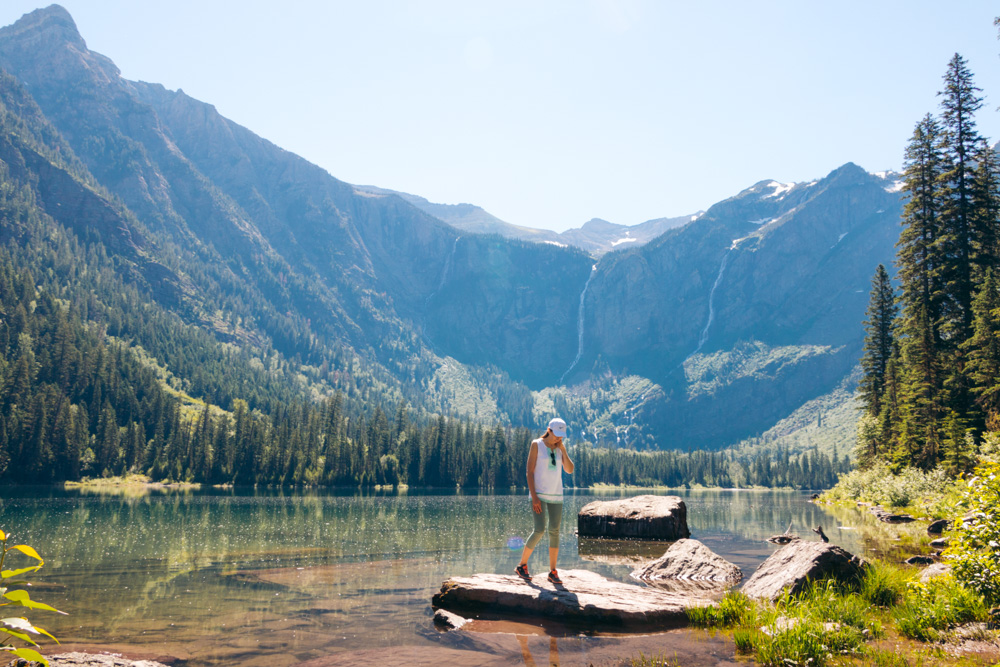
The lake itself is a mirror reflecting the colossal peaks that encircle it. Dominating the view towards the northeast is the imposing 8694-foot Bearhat Mountain, its summit rising nearly 4800 feet directly above the lake's surface. To the south, the dramatic silhouette of 7886-foot Little Matterhorn adds to the alpine grandeur. As your eyes scan the sheer cliffs and rugged mountainsides that cradle the lake, you'll undoubtedly spot numerous long, slender waterfalls, plunging hundreds of feet from snowfields and glaciers above, gracefully making their way down to the pristine turquoise waters below. These seasonal waterfalls are a highlight, particularly earlier in the summer when snowmelt is at its peak. The pristine, calm waters of Avalanche Lake, fed by these melting snows, offer a serene contrast to the roaring creek and powerful avalanches that give the area its name.
Planning Your Adventure: Tips for Hiking Avalanche Lake
The hike to Avalanche Lake in Glacier National Park is widely considered an easy to moderate trek, making it accessible to a broad range of hikers. However, its popularity means it can become quite crowded, especially during the peak summer months. To truly enhance your experience, consider these practical tips:
- Start Early: Arriving at the trailhead before 8 AM (or even earlier) is highly recommended, particularly in July and August. This allows you to secure parking and enjoy the trail with fewer people, especially on the Trail of the Cedars boardwalk and at the lake itself.
- Best Time to Visit: Late spring/early summer (late May through June) offers the unique chance to witness avalanches, listen to the thundering roar of the creek, and see the waterfalls at their most impressive. Mid-summer provides warmer weather and more predictable conditions, though with more crowds. Fall brings stunning foliage and fewer people.
- What to Pack: Always carry plenty of water, snacks, and layers of clothing, as mountain weather can change rapidly. A rain jacket is a must. Don't forget your camera for those incredible photo opportunities! Bear spray is highly recommended and should be carried by at least one person in your group, and know how to use it.
- Accessibility: Remember that only the Trail of the Cedars portion is wheelchair accessible. The Avalanche Lake Trail itself involves a slight incline and uneven terrain, making it unsuitable for wheelchairs.
- Leave No Trace: Help preserve the beauty of Avalanche Lake in Glacier National Park for future generations. Pack out everything you pack in, stay on marked trails, and never disturb wildlife or natural features.
For more detailed information on specific trail conditions and what to expect, you might find our companion articles helpful: Avalanche Lake Hike: Easy Trek, Summer Crowds & Real Avalanches provides insights into managing the crowds and understanding the unique phenomena that give the lake its name.
Conclusion
Hiking to Avalanche Lake offers an unparalleled opportunity to immerse yourself in the raw, untamed beauty of Glacier National Park. From the ancient, towering cedars of the Trail of the Cedars, past the thunderous depths of Avalanche Gorge, and finally to the serene, waterfall-fed waters of Avalanche Lake framed by majestic mountains, every step of this journey is a discovery. It's an experience that connects you with the powerful forces of nature and leaves an indelible mark on your memory. Plan your visit, embrace the adventure, and prepare to be utterly captivated by the natural grandeur of Avalanche Lake.
